
What is a Sinus Lift (Sinus Augmentation)?
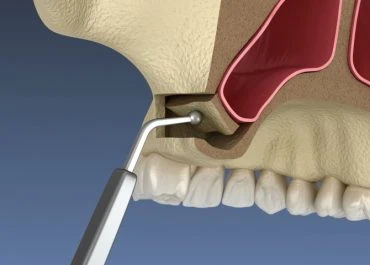 There are anatomical cavities called maxillary sinuses located above our upper jaw and molars. These cavities often sag downward due to tooth loss, causing bone volume loss. The depression formed at the sinus floor can reduce the bone height necessary for successful implant integration. The maxillary sinuses next to our molars serve a very important function. This is because the maxillary sinuses enable sound formation and reduce head weight. In patients who need implant treatment, if the vertical distance required for the implant in the molar and premolar region of the upper jaw is insufficient, a sinus lift procedure is performed to increase bone height.
Translated with DeepL.com (free version)
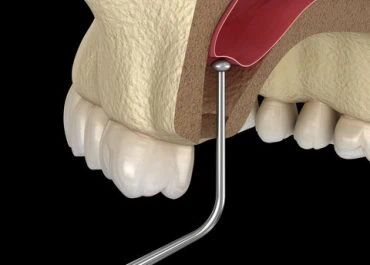 Before performing a sinus lift, sinus elevation, or sinus lifting procedure, the doctor reviews the patient’s general condition. The height of the existing maxillary alveolar bone, the size of the maxillary sinus,
the presence of sinus floor septa, maxillary sinus pathologies, and the antero-posterior relationship of the maxilla and mandible are investigated using various clinical and radiographic techniques.
Sinus lifting performed under local anesthesia is a 15-20 minute procedure. Two methods are used in sinus lifting operations: Lateral (open) and Closed (internal).
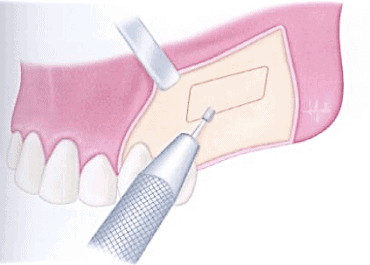 In cases where the alveolar bone height is 1-5 mm and does not allow for implant placement, this technique is applied. Starting from the crest apex, an oval or rectangular window is opened in the lateral sinus wall, taking care not to damage the sinus membrane and living teeth. After graft material is placed in this space, a membrane is placed over the window to stabilize the graft, and the operation is completed with primary closure.
 Internal (Closed) Sinus Lift
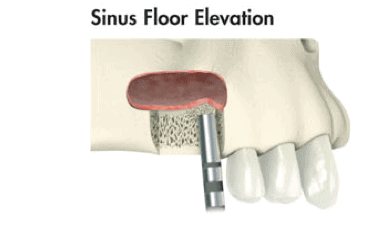 This technique is used when the alveolar bone distance of the patient receiving the implant is 6-8 mm. It can be briefly defined as a lifting procedure performed inside the implant socket. The gum is lifted from the bone, and the implant socket is opened with drills. The sinus floor is broken using special instruments and pushed upward. The implant is then placed into this space. This technique allows for the placement of implants that are 3-4 mm longer. The surgical site is closed with sutures.
 When Are Sinus Lift Techniques Not Performed?
As with any surgical procedure, sinus lift procedures have contraindications. These are divided into general and local contraindications:
General Contraindications
- Radiotherapy administered to the maxillary region
- Sepsis
- Uncontrolled systemic diseases
- Excessive tobacco use
- Excessive alcohol or substance consumption
- Psychological problems
Local Contraindications
- Maxillary sinus infections and pathological lesions
- Chronic sinusitis
- Possibility of alveolar scarring (depending on previous surgical procedure)
- Odontogenic infections
- Severe allergic rhinitis
How is a Sinus Lift Surgery Performed?
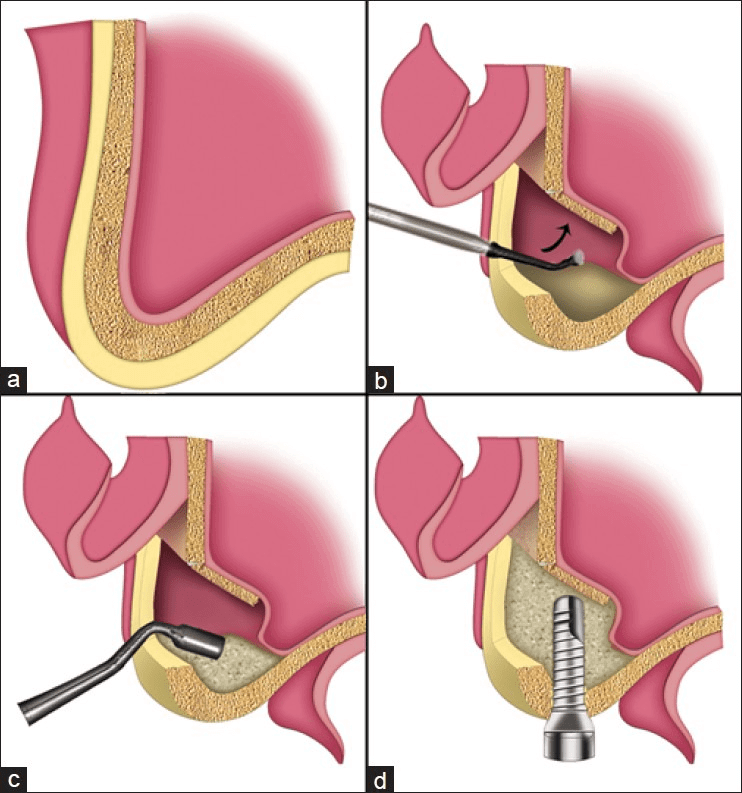
A sinus lift (sinus elevation) procedure is a surgical intervention usually performed by your dentist under local anesthesia. The sinus area is lifted to the desired level to prepare it for the implant. After achieving the desired amount of lifting in the sinus membrane covering the inside of the sinus, bone powder and grafting are performed in the created space, and then the area is closed with stitches.
Recovery and Prosthetic Application After Sinus Lift
A 6-12 month recovery period begins after the sinus lift procedure and implant placement. This recovery period must be completed before any prosthetic applications can be performed on the area. After the operation, the patient is given regular antibiotics and analgesics if needed. During the healing period, regular radiographs are taken to evaluate the height and width of the newly formed bone and whether it has the same density as the patient’s own bone.
The sinus cavity is covered with a membrane. Since this membrane is lifted during the procedure, the patient may experience some discomfort and uneasiness. Since bone grafting is performed during the procedure for implant treatment, the body may react to the new situation by forming edema. During the healing process, the patient can reduce the formation of edema by following the doctor’s recommendations.
Can Implants Be Placed Immediately After Sinus Lifting?
An implant can be placed after a sinus lift, but there are situations where it cannot be done. If the existing bone between the sinus floor and the mouth floor is of a certain size (4-5 mm and above), both the sinus lift procedure and the implant placement are performed at the same time. The important criterion here is to ensure complete primary stability after the implant is placed.
If there is thin bone at the sinus floor, it is not possible to ensure the stability of the implant. In such cases, the implant is not placed during the same session. Implants are placed approximately 6 months after the sinus procedure. Prosthetic applications on the implants are performed approximately 2 months after the implant placement procedure.
Is the Sinus Lift Procedure Harmful?
Sinus lifting is not a harmful procedure, but complications can occur if it is not performed properly. During the operation, the bone graft placed causes a tear in the sinus mucosa, and if this is not noticed, the bone grafts used may become infected. In such cases, the existing bone may become infected or cause infection.
In such complications, the sinus is reopened and the infected bone grafts are removed. As a result, the operation may fail. Therefore, the experience and meticulousness of the clinic and dentist performing the sinus lift treatment, as well as the quality of the sterilization equipment used, are very important.
What Are the Prices for Sinus Lift Procedures?
There is no fixed price range for sinus lift procedures. The price can only be determined after the patient undergoes an oral and dental examination. The experience of the clinic and dentist performing the treatment, the thoroughness of the treatment process, and the quality of the materials used are factors that affect pricing. Prices vary depending on the clinic where the treatment is performed, the doctor’s experience, and the patient’s needs. It is extremely important to consult with specialized and experienced centers to ensure that your oral and dental health treatment is performed correctly.